Source Automatic Flatbed Hot Stamping Machine for Boxes, Paper, and Stickers
Find and compare 23 Automatic Flatbed Hot Stamping Machine models for box making, paper stamping, and sticker production. Evaluate specifications like hydraulic pressure, automatic grade, and custom sizes to select the right equipment for your packaging needs.
Key considerations
Products List


$28500.00 - $29000.00
MOQ: 1 Pieces


High Quality Automatic Hot Stamping Machine Digital Hot Stamping Machine
$15000.00 - $17000.00
MOQ: 1 Pieces


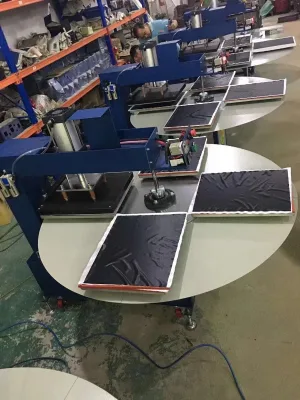


Comprehensive Sourcing Guide
Automatic Flatbed Hot Stamping Machine Sourcing Guide
Sourcing an Automatic Flatbed Hot Stamping Machine requires a careful balance between operational efficiency and precise finishing quality. These machines are designed to apply metallic foils, holographic films, or pigmented foils to substrates using heat and pressure, creating durable and visually striking effects. In the context of modern packaging and printing, the shift from manual to automatic systems is driven by the need for consistent registration, higher throughput, and reduced labor dependency. Buyers must understand that "automatic" in this category often refers to semi-automatic loading or automated foil feeding mechanisms, rather than fully unmanned continuous production lines. The distinction is critical for evaluating whether the equipment fits into an existing workflow or requires significant process reengineering.
The procurement landscape for these machines is diverse, with suppliers offering variations in automation levels, control systems, and mechanical structures. Observed market signals indicate a wide range of capabilities, from basic hydraulic units to computerized models with rotary or platen configurations. Buyers should not assume that all listed "automatic" machines offer the same level of integration. Some models may focus on high-pressure hydraulic stability for thick materials, while others prioritize precision servo control for delicate paper or sticker applications. Understanding these nuances is essential for selecting a machine that aligns with specific production volumes and material types, ensuring that the investment yields the expected return in terms of quality and speed.
Product Scope and Observed Listing Signals
The product scope for automatic hot stamping machines encompasses a variety of configurations tailored to different industrial needs. Listings frequently highlight features such as automatic grading, single-color processing, and support for customization. These attributes suggest that buyers can find machines optimized for specific tasks, such as box making or paper packaging, rather than generic all-purpose units. For instance, some models are explicitly described as screen printers or rotary printing presses, indicating a convergence of stamping and printing capabilities. This overlap requires buyers to carefully review the machine’s primary function to ensure it meets their specific finishing requirements, whether that involves simple foil application or complex multi-step decorative processes.
Observed listing signals also reveal significant variation in physical dimensions and structural designs. Standard sizes range from compact units measuring approximately 650mm by 600mm to larger industrial footprints exceeding 2 meters in length and width. These dimensions directly impact factory floor planning and installation requirements. Additionally, the presence of computerized controls and metal mold die-cutting tools suggests that many modern units offer advanced precision and durability. Buyers should note that while "automatic" is a common descriptor, the actual level of automation can vary from simple automated foil advancement to fully programmable press cycles. Verifying the specific control interface and automation depth is crucial to avoid mismatches between expected and actual operational capabilities.
Technical Specifications to Verify
When evaluating technical specifications, buyers must prioritize the verification of pressure systems and temperature control mechanisms. Hot stamping relies on the precise application of heat and pressure to transfer foil, so the stability of the hydraulic or pneumatic system is paramount. Models described as "hydraulic" often provide consistent pressure across large surfaces, which is beneficial for uniform foil adhesion. Conversely, machines with "platen" imprinting types may offer different pressure distribution characteristics. Buyers should request detailed specifications on maximum pressure capacity and temperature range to ensure the machine can handle their specific substrate thicknesses and foil types without compromising quality or safety.
Control systems and mechanical structures are another critical area for verification. The presence of computerized controls allows for programmable cycles, which can improve consistency and reduce setup times. However, the complexity of these systems varies, and buyers should assess the ease of programming and maintenance. Additionally, the structure of the machine, whether it is a rotary or flatbed design, affects production speed and versatility. Flatbed machines are generally preferred for rigid materials like boxes, while rotary designs may be more suitable for continuous web processing. Buyers should also verify the type of die-cutting tools supported, such as metal molds, to ensure compatibility with their existing tooling inventory or future expansion plans.
Compliance and Safety Documentation
Compliance and safety are non-negotiable aspects of sourcing industrial machinery, particularly for equipment involving high heat and pressure. Buyers must ensure that the supplier provides comprehensive safety documentation, including electrical schematics, emergency stop procedures, and thermal protection guidelines. Hot stamping machines operate at elevated temperatures, making thermal insulation and guard mechanisms essential to prevent operator injury. Buyers should verify that the machine meets relevant local and international safety standards for industrial equipment, such as CE or OSHA requirements, depending on the destination market. Requesting a safety audit report or compliance certificate from the supplier is a prudent step to mitigate liability and ensure a safe working environment.
Electrical and mechanical certifications are also critical for long-term operational reliability. Buyers should confirm that the machine’s electrical components are rated for the local voltage and frequency, and that they comply with relevant electromagnetic compatibility standards. Mechanical certifications, such as pressure vessel ratings for hydraulic systems, ensure that the equipment can withstand operational stresses without failure. Additionally, buyers should inquire about the availability of spare parts and technical support documentation, as these are essential for maintaining compliance and safety over the machine’s lifecycle. Ensuring that the supplier provides clear maintenance manuals and safety protocols is vital for training operators and preventing accidents.
Cost Drivers and Commercial Terms
Cost drivers for automatic flatbed hot stamping machines include the level of automation, control system sophistication, and material construction. Machines with advanced computerized controls and hydraulic systems typically command higher prices due to their precision and durability. Buyers should also consider the cost of customization, as many suppliers offer tailored solutions for specific applications, such as box making or sticker production. These customizations can add significant value but also increase the initial investment. Additionally, the size and weight of the machine impact shipping and installation costs, so buyers should factor in logistics expenses when evaluating the total cost of ownership.
Commercial terms, including lead times and payment structures, vary widely among suppliers. Observed data suggests lead times can range from a few days to several weeks, depending on the machine’s configuration and the supplier’s production schedule. Buyers should negotiate clear delivery terms and penalties for delays to protect their production timelines. Payment terms are often structured as a deposit followed by balance upon completion or shipment, but buyers should seek flexible options that align with their cash flow. Additionally, buyers should clarify warranty terms and after-sales support packages, as these can significantly impact the long-term cost of operation and maintenance.
Supplier Qualification and Quality Control
Supplier qualification is a critical step in ensuring the reliability and quality of the purchased machinery. Buyers should verify the supplier’s manufacturing capabilities, including their facility size, production capacity, and quality control processes. Suppliers with established reputations in the industry are more likely to deliver consistent quality and provide reliable after-sales support. Buyers should request references from previous clients and, if possible, visit the supplier’s facility to assess their production standards. Additionally, verifying the supplier’s certification status, such as ISO 9001, can provide assurance of their commitment to quality management systems.
Quality control measures should be implemented throughout the procurement process, from initial inquiry to final delivery. Buyers should specify detailed technical requirements in the purchase contract and request pre-shipment inspections to verify that the machine meets these specifications. Third-party inspection services can provide an objective assessment of the machine’s quality and functionality before it leaves the supplier’s facility. Buyers should also establish clear communication channels with the supplier to address any issues that arise during installation or operation. Building a strong relationship with the supplier can facilitate faster resolution of technical problems and ensure a smoother procurement experience.
Long-Term Procurement Checks
Long-term procurement checks focus on the sustainability and scalability of the machinery investment. Buyers should consider the availability of spare parts and the supplier’s ability to provide ongoing technical support. Machines with widely available spare parts and comprehensive support networks are easier to maintain, reducing downtime and operational costs. Buyers should also evaluate the machine’s energy efficiency and environmental impact, as these factors can influence long-term operating expenses and regulatory compliance. Additionally, buyers should monitor industry trends and technological advancements to ensure that their equipment remains competitive and relevant over time.
Regular maintenance and performance audits are essential for maximizing the lifespan and efficiency of the hot stamping machine. Buyers should establish a preventive maintenance schedule and train operators on proper usage and care procedures. Periodic performance audits can help identify potential issues before they lead to costly repairs or production delays. Buyers should also stay informed about updates to safety and environmental regulations that may affect the operation of their equipment. By proactively managing these long-term factors, buyers can ensure that their investment in automatic flatbed hot stamping machines continues to deliver value and support their business goals.
FAQs
What is the typical lead time for automatic flatbed hot stamping machines?
The standard production time is 15 days for orders of 1 to 5 sets. For larger quantities exceeding 5 sets, the lead time must be negotiated directly with the supplier to ensure accurate delivery scheduling.
Can automatic flatbed hot stamping machines be customized for specific packaging needs?
Yes, customization is available for these machines. Buyers can request specific configurations to suit their production requirements, including adjustments to the machine structure or operational parameters to match their packaging materials.
What are the standard dimensions for the YH-500 model hot stamping machine?
The YH-500 model has standard dimensions of 1700mm in length, 825mm in width, and 1644mm in height. These specifications help buyers plan their factory floor space and logistics for shipping and installation.
How is the Automatic Flatbed Hot Stamping Machine packaged for shipping?
The machine is typically packed in a wooden case to ensure safe transport. This packaging method provides robust protection for the mechanical components during international shipping and handling by logistics providers.
What is the primary application of the Automatic Flatbed Hot Stamping Machine?
The primary application is for box making and stamping paper. It is designed to handle packaging materials and stickers, making it suitable for industries that require high-quality finishing on paper-based products.
Which models are available for automatic flatbed hot stamping machines?
Available models include the SX-211, YH-500, YH-800S, YY-GY450E, YY-HS230, YY-GY930E, and YH-700. Each model offers different specifications and dimensions to accommodate various production scales and material types.
What is the automatic grade of the flatbed hot stamping machine?
The machine operates at an automatic grade, meaning it is designed for automated operation. This feature helps maintain consistent stamping quality and efficiency, reducing the need for manual intervention during the production process.